Finding the right people at the right times is so incredibly hard, no matter what type of company you’re running. Selecting the recruitment solutions for companies has become increasingly important for organizations as we move into 2026.
The job market is moving quickly, technology is advancing rapidly, and candidates now demand an intuitive hiring process. Companies will need to invest in the best recruiting tools that streamline operations, save them a ton of time, and help them target qualified candidates.
This post discusses the best recruiting platforms for businesses in 2026. These methods can revolutionize how you discover and recruit talent, whether you’re a startup or an established business. The aim is to simplify recruiting, make it effective, and future-ready.
1. AI-Powered Applicant Tracking Systems (ATS)
This machine-learning-based ATS is one of the most powerful ways for modern businesses to recruit. It supports every aspect of the hiring process — including posting jobs, filtering resumes, and scheduling interviews. It also uses machine learning to match candidates with jobs.
ATSs do your work by automating and maintaining candidate engagement, keeping your hiring team from getting mired in candidates. Startups opt for ATS because it can help prevent them from being inundated with applications without necessitating a large HR team.
2. IT Staff Augmentation: Hire a Smart Team
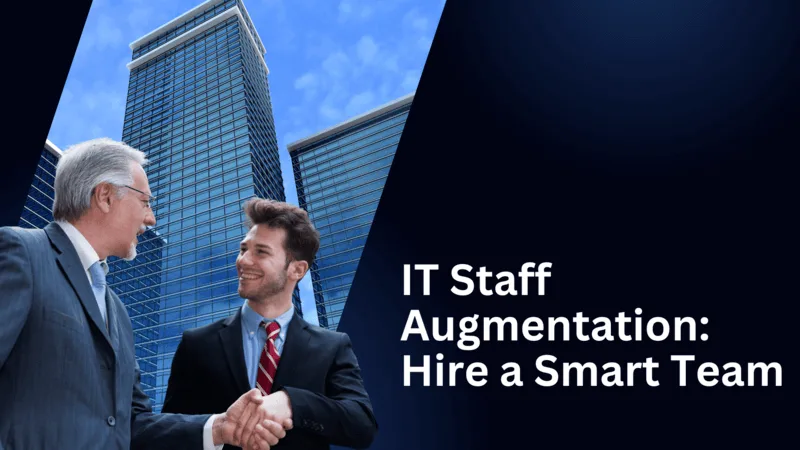
Fast-growing companies find IT staff augmentation services particularly valuable. This permits companies to onboard proficient workers when they need them—whether for projects, temporary assignments, or long-term support.
This is one of the most versatile and powerful recruiting solutions you can obtain in your arsenal, as it provides:
- Strategic direction that enables business, product, and technology decisions with confidence.
- End-to-end IT operations, application, and infrastructure support engineered to enhance performance and business confidence.
- Highly skilled, seasoned developers , custom-fit to do exactly what your project requires.
3. Skills Assessment and Pre-Employment Testing Tools
Skills tests help find a better match for the job. These assessment tools, used within modern Recruiting Solutions, measure technical, communication, and personality skills, as well as cultural fit. Indeed, as businesses expand, pre-employment tests minimize the risk of making a bad hire.
This also means they’re among the most reliable recruitment solutions for businesses looking to avoid turnover and build strong teams. Skills tests also provide a way for companies to compare candidates on an equal footing and hire people based on performance. More companies are projected to rely on formalized assessments to inform their decision-making in 2026.
4. Employee Referral Programs
Employee referrals remain one of the best ways to hire. With referred candidates, companies hire more quickly, at lower cost, and with a tighter cultural fit.
Referral programs increase employee engagement and attract other talent who trust recommendations from their peers. For small business owners managing a growing team, adding a referral system remains one of the best hiring solutions.
By 2026, digital referral platforms will automate tracking, rewards, and communication, providing a frictionless experience for HR teams.
5. Social Media Recruiting
In 2026, LinkedIn, Instagram, and Facebook are the most important hiring platforms. Businesses can exhibit their culture, publish jobs, network with prospective candidates, and cultivate a positive employer brand.
Social recruiting is just one of those recruiting solutions that allows companies to tap into younger talent pools that may not be sourcing their career opportunities from standard job boards. Small and medium enterprises (SMEs) are using social media to achieve cost-effective brand visibility and differentiate themselves in crowded markets.
6. Recruitment Process Outsourcing (RPO)
Recruitment Process Outsourcing is the transfer of all or part of an organization’s recruitment processes to an external service provider. This is particularly useful for fast-growing organizations or those that do a lot of seasonal hiring.
RPO companies handle job postings, candidate vetting, interviews, setting up job fairs, and a host of other tasks. This makes it among the best recruiting software solutions and Recruiting Solutions for companies ready to grow fast, but don’t want to hassle their internal HR team.
7. Job Marketplaces and Freelance Websites
Marketplaces for hiring contract workers, freelancers, and remote employees have become a necessity. Sites such as Upwork, Fiverr, and Toptal connect companies with talented professionals for projects of all sizes.
This is a highly flexible hiring solution for small businesses, as it lowers overhead costs and helps you hire talent from all corners of the world. The use of freelancing platforms, supported by effective Recruiting Solutions, is a great way to test new roles, get urgent work done, or scale your development teams at a larger pace.
8. Virtual Interviewing Platforms
Presumably, other parts of video interview technology enjoyed similar success during those early days of the full-fledged remote workforce and are now a core component of recruiting solutions. They also make it easy for businesses to interview candidates wherever they are, eliminating scheduling nightmares and reducing travel costs.
AI-based tools can even evaluate communication skills, facial expressions, and reactions to help HR professionals make better decisions. For employers, online interview platforms promise quick, streamlined, and flexible hiring.
9. Talent Analytics and HR Data Insights
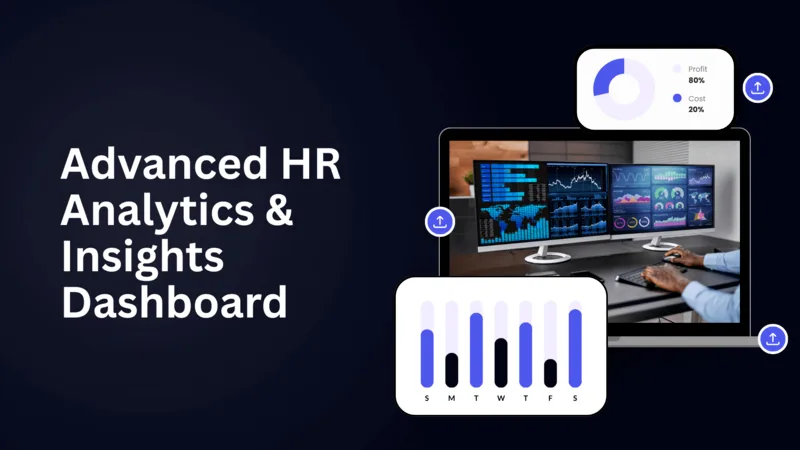
Companies are changing the way they hire through data analytics. These tools can help spot hiring trends, measure recruiter effectiveness, monitor candidate quality, and predict future workforce needs.
These realizations help companies build hiring strategies based on data rather than speculation. Analytics help organizations hire smarter, more quickly, and with greater accuracy. It facilitates more informed decisions about wages, job titles, staffing levels, and future talent needs, supported by advanced Recruiting Solutions.
10. Employer Branding and Career Pages
It will be 2026, and many companies will interview you. An appealing employer brand attracts candidates who are a good fit for your culture, beliefs, and employment opportunities, supported by strong Recruiting Solutions.
Trust and curiosity are developed through career pages that showcase employees’ lives, growth opportunities, and work environments. In the short term, this is perhaps one of the best hiring strategies for small businesses, at least for smaller teams, since it’s a way to set yourself apart from bigger players by shaping your brand.
Conclusion
The right recruiting solutions in 2026 could mean a different ballgame for talent acquisition. Instead, smarter tech, used in conjunction with human recruiters who know what they’re doing, should provide a strong, smooth hiring process.
With the right tactics, companies can win over qualified candidates, reduce recruitment expenses, and build teams that drive sustained growth.
That’s where Sebone comes in: to lend businesses a strong hand, using advanced recruitment technology. We provide experienced developers, professional staff augmentation, and full IT operations support to ensure reliability and assured operation.
By teaming with Sebone, a reliable and valuable resource that understands real business requirements, solutions are provided to support client success.
FAQ’s
Which recruiting solution is best for a fast-growing startup?
A combination of an AI-powered ATS and IT staff augmentation tends to work well, letting startups filter candidates efficiently while quickly onboarding skilled talent for immediate project needs.
What is the difference between staff augmentation and RPO?
Staff augmentation adds skilled professionals directly to your team for specific projects, while RPO outsources your entire recruitment process, including job postings, screening, and interviews, to an external partner.
Are skills assessments really necessary for hiring?
Yes. Skills assessments help reduce the risk of bad hires by comparing candidates on an equal footing based on actual performance rather than resumes alone, which is especially valuable as teams scale quickly.
How can small businesses compete for talent against larger companies?
Strong employer branding, active social media recruiting, and employee referral programs let smaller businesses build a compelling, cost-effective presence that attracts candidates without matching a large enterprise’s recruiting budget.
Are AI-powered ATS tools worth it for a small hiring team?
Yes, even small teams benefit from ATS automation since it reduces manual resume screening and scheduling work, freeing up limited HR staff to focus on interviewing and closing top candidates.
How effective are employee referral programs compared to job boards?
Referral hires are typically faster to onboard, cheaper to acquire, and better matched to company culture than candidates sourced from open job boards, though they can limit the diversity of your applicant pool if relied on exclusively.
Should companies use freelance marketplaces or staff augmentation for technical roles?
Freelance marketplaces suit short, well-defined tasks, while staff augmentation is better for ongoing technical work that needs consistent, vetted professionals closely integrated with your existing team and processes.
What role does talent analytics play in reducing hiring costs?
Talent analytics identifies which sourcing channels, job descriptions, and interview stages actually produce successful hires, letting companies redirect budget away from underperforming recruiting methods.
How important are virtual interviewing platforms for global hiring?
They’re essential for companies hiring across geographies, as they eliminate travel costs, reduce scheduling friction across time zones, and increasingly use AI to help standardize how interview performance is evaluated.
What makes a career page effective at attracting candidates?
An effective career page showcases authentic employee stories, clear growth opportunities, and a genuine sense of company culture, helping smaller businesses stand out even without a large employer brand budget.