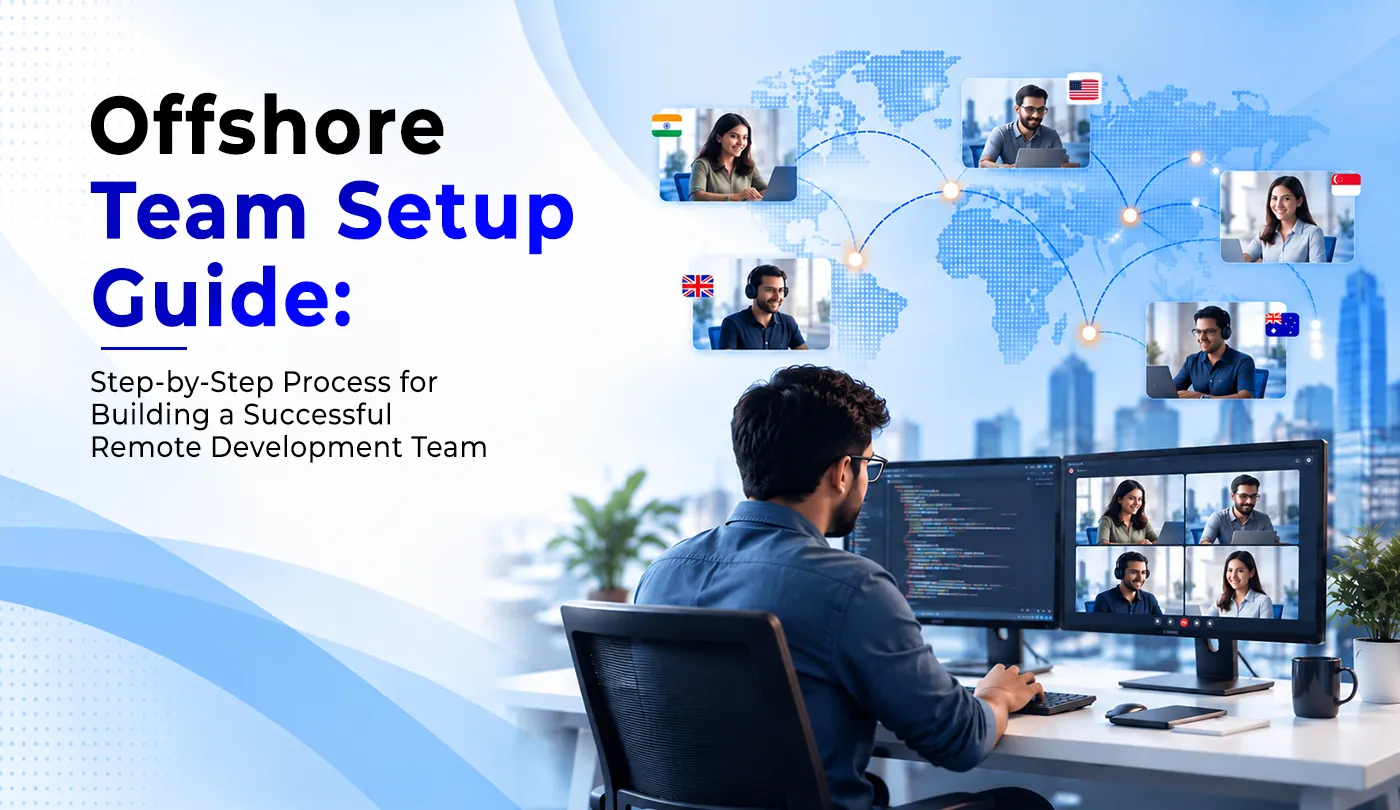
Building a successful offshore development team involves more than hiring skilled professionals overseas. It requires the right team structure, technical expertise, communication processes, and delivery practices to ensure alignment with business objectives.
An offshore development team can help businesses access specialised talent, expand development capacity, and support technology initiatives. However, its success depends on effective integration, clear responsibilities, and structured management.
A structured setup also makes it easier to manage responsibilities, maintain project visibility, and adjust the team as development requirements change.
Key Takeaways
- Define what the project needs to achieve and the technical skills required to deliver it before building the team.
- Decide how the offshore team will work with your internal team and how responsibilities will be divided.
- Set up the tools, access, documentation and communication channels the team will need to work effectively.
- Agree on who will handle key tasks and decisions, and how progress and delivery will be tracked.
- Adjust the team as the project develops, adding the skills or capacity needed at different stages.
What Should Businesses Consider When Setting Up an Offshore Team ?
Before setting up a remote development team, define the project’s scope, expected outcomes, technology requirements, and responsibilities.
Identify which activities will remain with the internal team and which will be handled by the offshore team. This provides a basis for determining the required skills, team structure, and level of involvement from each side.The following steps provide a practical framework for building an offshore development team.
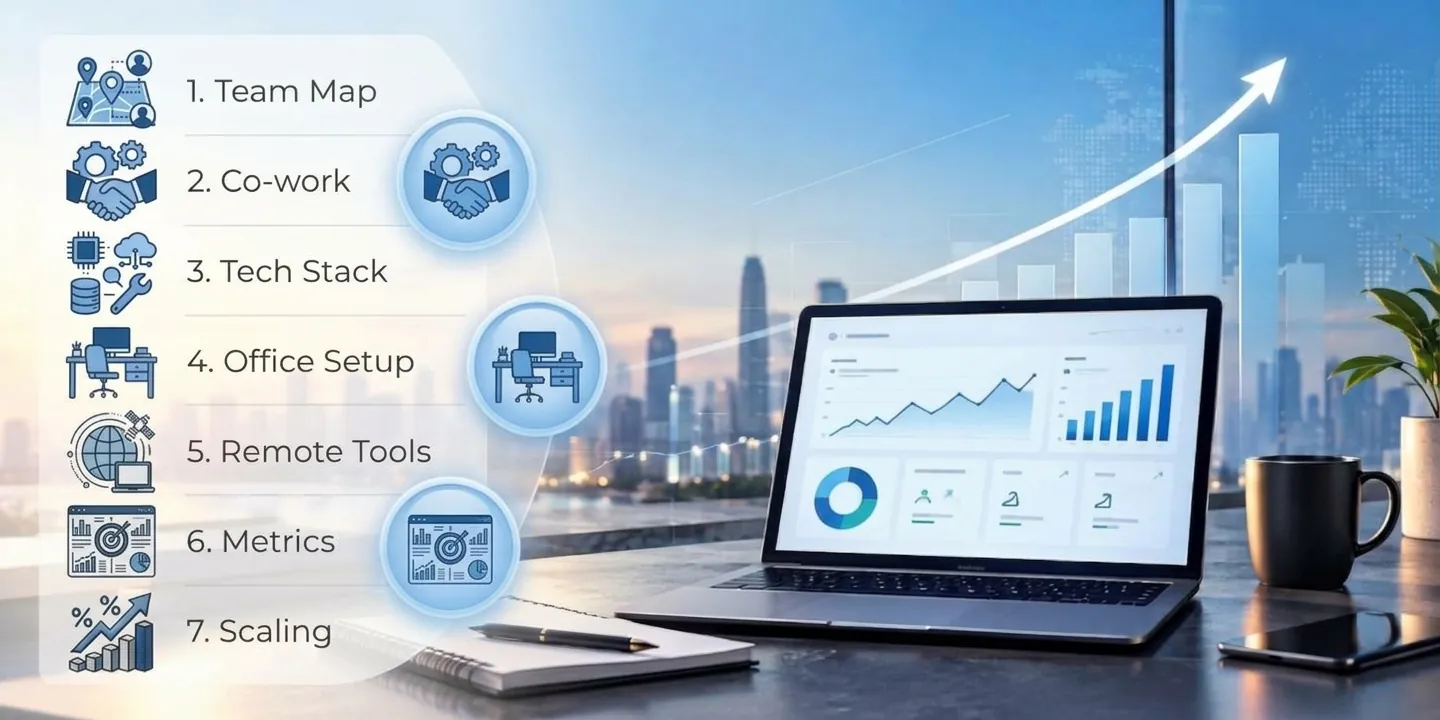
1. Map the Team Around the Project
The team structure should reflect the requirements of the project.
Start by identifying the roles and capabilities needed to deliver the work. Depending on the project, this could include software engineers, QA professionals, cloud and DevOps specialists, data professionals, or other technical roles.
Responsibilities should also be assigned clearly. Establish who will handle technical decisions, project priorities, reviews, approvals, and delivery. This gives internal and offshore teams a clear understanding of their respective roles.
2. Decide How the Teams Will Work Together
Choose an offshore engagement model based on project scope, duration, and management requirements.
- Staff Augmentation: Add specialised professionals to your existing team while retaining control over processes and project management.
- Dedicated Offshore Team: Build a consistent team of developers, QA engineers, and other specialists for ongoing development needs.
- Managed Delivery Model: Delegate specific development activities, team coordination, and delivery responsibilities to an external partner.
The right model depends on your project requirements, desired level of control, and how responsibilities are shared between internal and offshore teams.
3. Build the Right Technology Capability Mix
The capabilities within an offshore team should reflect the technology requirements of the project.
A software product may require software engineering and QA capabilities, while a cloud modernisation project may require cloud and DevOps expertise. Projects involving data or artificial intelligence may require data science and AI capabilities alongside software engineering.
The team should therefore be structured around the development work involved and the capabilities required at each stage of the project.
4. Set Up the Working Environment
The offshore team needs access to the systems, information, and tools required for its work.
Before development begins, establish access to relevant project documentation, code repositories, project management platforms, communication channels, and other required tools. Access permissions should reflect each person’s role and responsibilities.
Technical documentation, workflows, coding standards, and project information should also be available to the team. This helps create a consistent working environment and reduces dependency on individual team members.
5. Establish Remote Collaboration
Teams working across locations need clear processes for sharing information and managing day-to-day work.
Define the meeting schedule, communication channels, documentation practices, and process for handling technical issues. Where teams operate across different time zones, agree on suitable overlapping working hours for discussions that require real-time collaboration.
Project updates, technical reviews, decisions, and important changes should also be documented so that relevant team members can access the information when needed.
6. Define Ownership and Performance Measures
An offshore team should have clear responsibility for its assigned work.
Define ownership across development, testing, reviews, approvals, and delivery. Where internal and offshore teams work together, establish who is responsible for key technical and project decisions.
Performance can then be assessed against agreed project outcomes, such as delivery milestones, quality requirements, development progress, or completion of defined tasks.
7. Scale the Team as Requirements Change
Team requirements can change as a project develops. New technical capabilities may become necessary, while other roles may no longer be required at the same level.
Once the initial team and working processes are established, businesses can assess where additional expertise or capacity is needed. New professionals can then be added based on project phases, technology requirements, and development priorities.
This allows the team structure to remain aligned with the work as the project progresses.
How Sebone Technologies Supports Offshore Team Setup
Sebone Technologies can support businesses at different stages of building an offshore technology team. Its Smart Team model allows businesses to add dedicated technology professionals or establish remote development teams based on their project requirements.
The team structure can be aligned with the capabilities needed for the project, including software engineering, cloud and DevOps, data science and AI, and product engineering. This gives businesses scope to build teams around specific technology requirements rather than adopting a fixed team structure.
For businesses that need to add specific expertise to an existing technology function, staff augmentation provides another option. Professionals can work within established teams, processes, and project environments.
Sebone Technologies also offers Employer of Record services in India for businesses that need an employment structure for engaging talent in the country.
These models give businesses different ways to structure their offshore teams based on project scope, technical requirements, and how the internal and external teams will work together.
Frequently Asked Questions
What is an offshore development team?
An offshore development team is a group of technology professionals located in another country who work on an organisation’s software development, engineering, testing, or technology initiatives.
What roles are required in an offshore development team?
The roles depend on the project’s requirements. Common positions include software developers, QA engineers, DevOps specialists, cloud engineers, data professionals, technical leads, and project managers.
What is the difference between staff augmentation and a dedicated offshore development team?
Staff augmentation adds individual professionals to an existing internal team, while a dedicated offshore development team provides a defined group of professionals for ongoing development requirements.
How can businesses manage offshore development teams effectively?
Businesses can manage offshore teams through clear role definitions, structured communication, shared project management tools, documented workflows, regular performance reviews, and defined delivery responsibilities.
Why do businesses choose India for offshore development teams?
India offers access to a broad technology talent pool across software engineering, cloud, data, AI, and enterprise technology. Its established technology services ecosystem also supports different offshore engagement and workforce models.
Can a business build an offshore development team without establishing a local entity in India?
Yes. Businesses can explore suitable engagement arrangements, including Employer of Record services, depending on their requirements and applicable employment and regulatory considerations.